Defining zones
Separating sleeping, working, and living areas without permanent walls keeps an open floor plan legible and reduces the sense of clutter.
Practical reference notes on furniture arrangement, storage zoning, and multifunctional layouts for studios, one-bedrooms, and condos across Canadian cities.

Most organizing decisions in a small Canadian apartment trace back to how a single room is divided, how vertical space is used, and how each piece of furniture earns its footprint.
Separating sleeping, working, and living areas without permanent walls keeps an open floor plan legible and reduces the sense of clutter.
Wall-mounted shelving, over-door rails, and tall narrow units move storage off the floor, where square metres are scarcest in a condo.
Fold-down desks, storage beds, and nesting tables let one item serve several daily routines, which matters when a room has no spare corner.

A repeatable sequence keeps a small-space plan grounded in how the room is actually used rather than how it looks empty.
A small-space plan tends to pass through the same stages, from rough idea to a settled arrangement that holds up to daily use.
Longer reference pieces, each focused on one part of organizing a compact Canadian home.

How to separate sleeping, working, and living areas in a single open room using furniture, rugs, and sightlines.
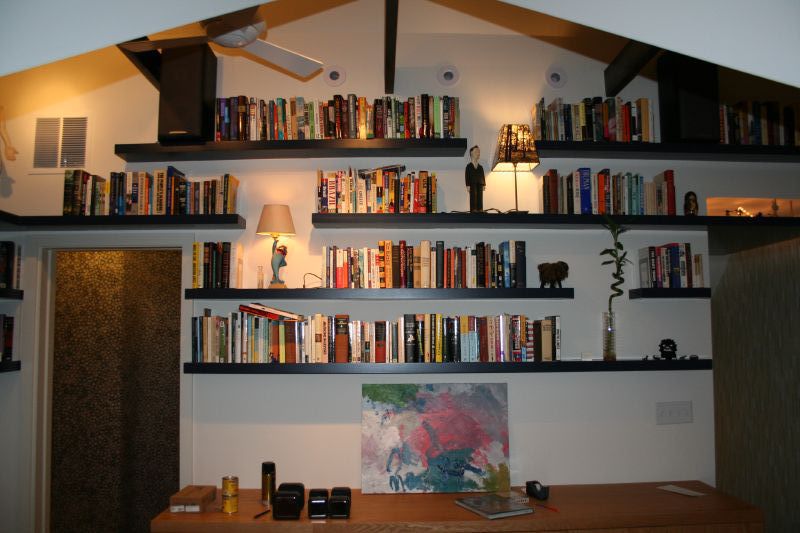
Wall-mounted shelving, over-door storage, and tall units that reclaim floor space in tight condos and rentals.

Wall beds, fold-down desks, and storage seating that let one piece of furniture cover several daily routines.
For editorial questions, source suggestions, or corrections to an article, use the form. Messages are reviewed by the editorial desk.
CraftedSpace publishes general reference articles about organizing compact living spaces in Canada. The content is informational and does not constitute professional design, structural, or safety advice. Verify load limits, building codes, and rental agreements with a qualified professional before altering a space.